Buying a home with a septic system: what to check first
A house on septic works differently from city sewer. Here is what to look for before you close.
August 20, 2026 · 3 min read
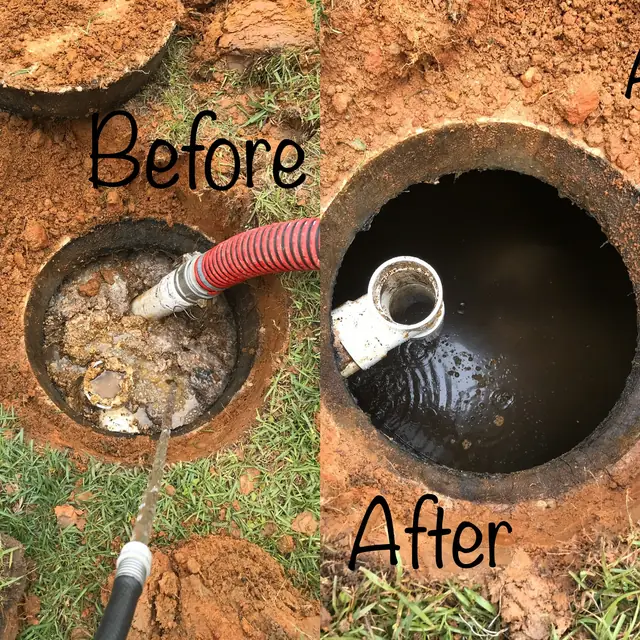
Rural properties in Mississippi and Louisiana almost always run on private septic systems. If you are buying a home outside city limits, the house probably has a septic tank and a drain field buried in the yard. The system handles all the wastewater the house produces, and if it is failing, the repair or replacement cost can be significant. Knowing what to check before closing protects you from inheriting someone else's deferred maintenance.
Get a septic inspection before closing
A general home inspection does not cover the septic system in any detail. The home inspector may note the location of the tank and whether the drains flow, but they do not open the tank, measure sludge levels, or evaluate the drain field. A dedicated septic inspection does all of that.
During a septic inspection, the technician opens the tank, measures the sludge and scum layers, checks the inlet and outlet baffles, and inspects the tank walls for cracks or structural damage. They check the distribution box (if the system has one) and walk the drain field looking for wet spots, odors, or surfacing effluent. If the system has a pump, they verify that the pump runs, the float switches trigger correctly, and the alarm functions.
Red flags to watch for
- Standing water or soggy ground over the drain field, especially if it has not rained recently. This usually means the field is saturated or failing.
- Unusually green or lush grass over the drain field compared to the rest of the yard. The effluent is acting as fertilizer because it is too close to the surface.
- Sewage odors near the tank or in the yard. A sealed, properly functioning system produces no detectable smell above ground.
- No record of recent pumping. If the seller cannot show when the tank was last pumped, assume it is overdue.
- Evidence of patching or temporary repairs on the tank or risers. Multiple patches suggest a system that has been held together rather than properly maintained.
Questions to ask the seller
- When was the tank last pumped, and by whom? Ask for the service record.
- How old is the system? The original installation permit (filed with the county health department) will have the date.
- Has the drain field ever been repaired or replaced?
- Has the system ever backed up into the house?
- Is there a maintenance agreement with a septic company?
What the inspection tells you
A clean inspection means the system is functioning as designed and the tank is in reasonable condition. That does not mean it will last forever, but it means you are not walking into an immediate problem. A failed inspection gives you leverage in the negotiation: you can ask the seller to make repairs, reduce the price, or set aside funds in escrow to cover the work.
After you move in
Keep the inspection report. It tells you the tank location, the current sludge level, and when the next pump-out should happen. Locate the tank access lid and make sure it is accessible. Know where the drain field is so you can avoid driving over it, planting trees near it, or building on top of it. All three can damage the system.
Set a reminder for the next pump-out based on the inspector's recommendation. A regular schedule prevents the kind of problems that cost thousands to fix.
Schedule an inspection with Reynolds Pumping
Reynolds Pumping and Septic Services performs pre-purchase septic inspections across Mississippi and Louisiana. Chase Reynolds can inspect the system, pump the tank if needed, and give you a clear picture of the system's condition. Call (601) 551-0837 any time.
Reynolds Pumping and Septic Services, (601) 551-0837
Call (601) 551-0837More articles
How often should you pump your septic tank?
The answer depends on your household, your tank, and what you put down the drain. Here is how to figure out the right schedule.
5 signs your septic system needs repair
A septic system does not fail all at once. These are the early signs that something needs attention.