Grease trap maintenance for Mississippi restaurants
A grease trap that overflows shuts down the kitchen. Here is how to keep it from getting there.
August 20, 2026 · 2 min read
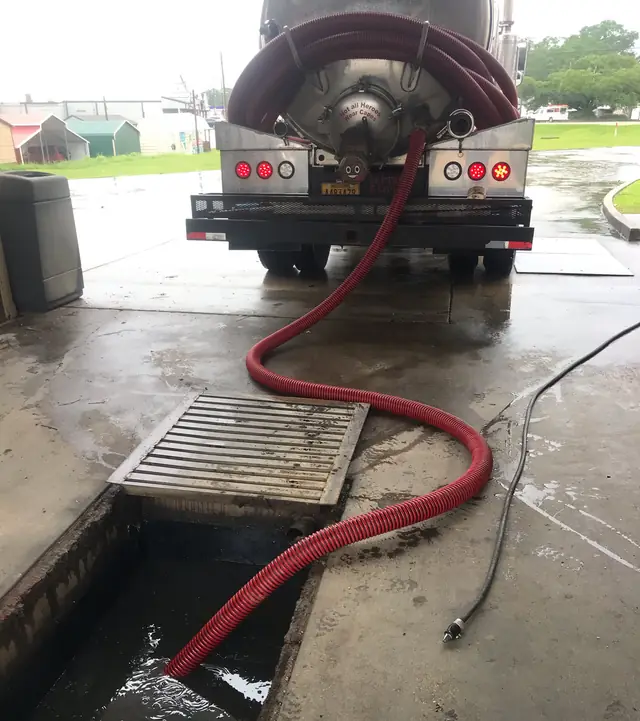
Every commercial kitchen in Mississippi that connects to a sewer or septic system is required to have a grease interceptor. The trap catches fats, oils, and grease before they leave the kitchen, preventing clogs in the downstream plumbing and keeping grease out of municipal sewer systems or private septic fields. Maintenance is not optional, and the consequences of neglecting it range from health code violations to a kitchen shutdown.
How a grease trap works
Kitchen wastewater enters the trap and slows down inside a baffled chamber. Grease floats to the top because it is lighter than water. Food solids sink to the bottom. Clean water flows out the middle and continues to the sewer or septic system. Over time, the floating grease layer and the settled solids build up, reducing the trap's working capacity. When the combined layers fill more than 25% of the trap's total depth, the trap can no longer separate grease effectively, and grease starts passing through to the downstream system.
The 25% rule
The 25% rule is the industry standard for scheduling pump-outs. Measure the grease cap and the solids layer together. When they exceed one quarter of the trap's total depth, it is time to pump. In practice, most restaurants find this happens every 1 to 3 months, depending on the kitchen's volume and the type of food being prepared. A busy fry-heavy restaurant may fill the trap in 4 to 6 weeks. A cafe with lighter fare may go 3 months between pump-outs.
What happens during a pump-out
The vacuum truck draws out the full contents of the trap: the floating grease layer, the water column, and the settled food solids. The technician scrapes the baffles and walls, flushes the inlet and outlet pipes, and confirms that water flows freely through the trap before closing it up. The waste is hauled to a disposal facility permitted to receive it.
Reynolds Pumping provides a written service record for each pump-out. Keep this on file. Health inspectors check for maintenance records, and not having them can turn a routine inspection into a citation.
Daily kitchen practices that help
- Scrape plates and pans into the trash before washing. Food solids in the dishwater go straight to the trap.
- Pour used cooking oil into a collection container, not down the drain. Many areas have recycling programs for used cooking oil.
- Use sink strainers to catch food particles before they enter the drain.
- Run hot water through the drain after each shift to help move grease through the pipes and into the trap rather than letting it solidify in the lines.
When to call for a pump-out
If the kitchen starts smelling like old grease, drains are running slowly, or water is backing up into the sink, the trap is overdue. Do not wait for an inspection to catch it. A clogged trap can shut down a kitchen mid-service, and that costs more than a scheduled pump-out ever will.
Schedule grease trap service
Reynolds Pumping and Septic Services cleans commercial grease traps across Mississippi and Louisiana. Chase Reynolds can set up a recurring schedule so the kitchen never has to track it. Call (601) 551-0837 any time.
Reynolds Pumping and Septic Services, (601) 551-0837
Call (601) 551-0837More articles
How often should you pump your septic tank?
The answer depends on your household, your tank, and what you put down the drain. Here is how to figure out the right schedule.
5 signs your septic system needs repair
A septic system does not fail all at once. These are the early signs that something needs attention.